
I Just Stage Managed My First Show in 15 Years and Y’all, I Have Thoughts
Stage managing after 15 years wasn’t something I expected to do again, but stepping back into the theater taught me more than I imagined. It reminded me how much both theater and photography have shaped the way I solve problems, lead productions, and think creatively.
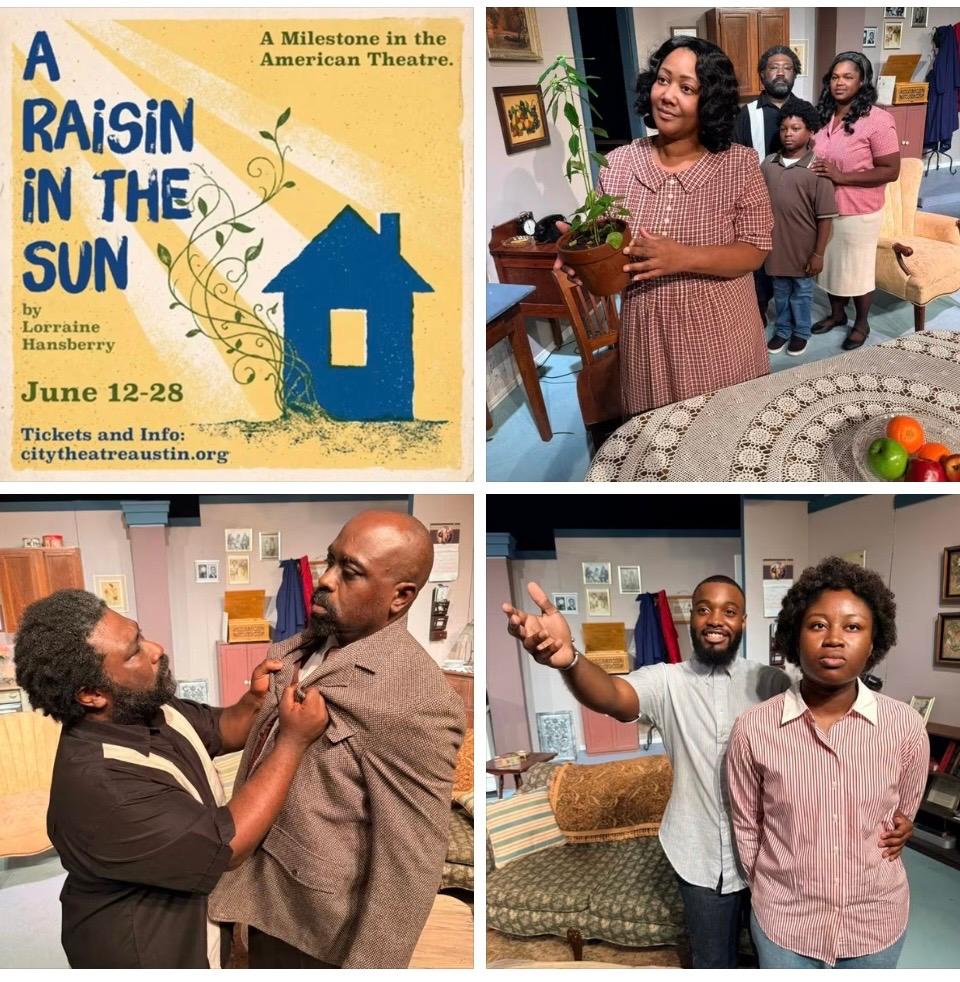
I just finished stage managing my first show in nearly 15 years, and y’allllllll, it was a TEST OF WILLS. So much changed in the theater world, and yet a lot of things remained exactly the same?
I will say what didn’t change: the drama. OH, THAT REMAINED UNCHANGED. We had cast change-ups mid-rehearsal. Illnesses with not one but two cast members. Schedule conflicts left and right. It was like herding cats. No, correction, it was more like herding cats during an earthquake while walking on stilts with one arm tied behind your back.
By the time we hit tech week, I looked like one of those cartoons after the bomb goes off. Hair everywhere. Scorch marks on my face. Lugging around this massive binder we call the Stage Manager Bible everywhere I went. And by opening night? I was sitting in my car afterward with the 1,000-yard stare. Like, did I really survive that?!
And you know what? I loved it all.
What Stage Managing After 15 Years Taught Me About Photography
Here’s the part I didn’t see coming, though. In my photography, I’ve always pulled from my theater background for creative direction and inspiration; that’s old news to anyone who’s followed me for a while.
What I never expected was for it to work the other way. Not the photography itself, but everything I’ve picked up over years of producing my own shoots. Staying insanely organized. Being the single point of communication between the director, the cast, the theater owner, the producer, the sound designer, the lighting designer, and the prop designer. Knowing which cast member is allergic to what, whose school schedule conflicts with which rehearsal, what the weather’s supposed to do, where the nearest hospital was, just in case. I had to become this all-knowing force backstage, and that’s a muscle I built shooting my own productions for years.
Fifteen years ago, I was a good stage manager. Today, I’d say I’m an amazing one, and I owe that growth to everything I picked up as a photographer.
Live Theater Doesn’t Give You a Second Take
One thing being back in the theater taught me is that you have all the control in the world until the second you don’t. You can rehearse something a thousand times, drill it into the cast’s heads until you’d think it was muscle memory, and during a performance, it will still, somehow, go completely different.
And as the stage manager, I don’t get to fix it. Not really. If an actor skips a line, I can’t call it out for them. If a shoe breaks mid-scene or a zipper gives out ninety seconds before curtain, there’s not a single thing I can do about it from where I’m standing.
All I can do is watch it happen. Stand there in the dark, whisper-yelling encouragement into a headset only a handful of people can hear, willing everyone back on track with zero ability to actually fix anything myself. No do-overs. No pause button. Just whatever happens, happens, live, in front of an audience that paid to be there.
But on a shoot? That’s different. I have the power. I mean that in the full 90s song, “I GOT THE POWAHHH,” dramatic-key-change kind of way. If the light’s not hitting right, I move it. If the steam’s not rising the way I want, I reshoot the pour. If the garnish wilts, I swap it. I control the temperature, the angle, the timing, everyyyy thannnnnggguuh. A bad take just becomes the next take.
Theater doesn’t give you a next take.
The Part Nobody Ever Sees
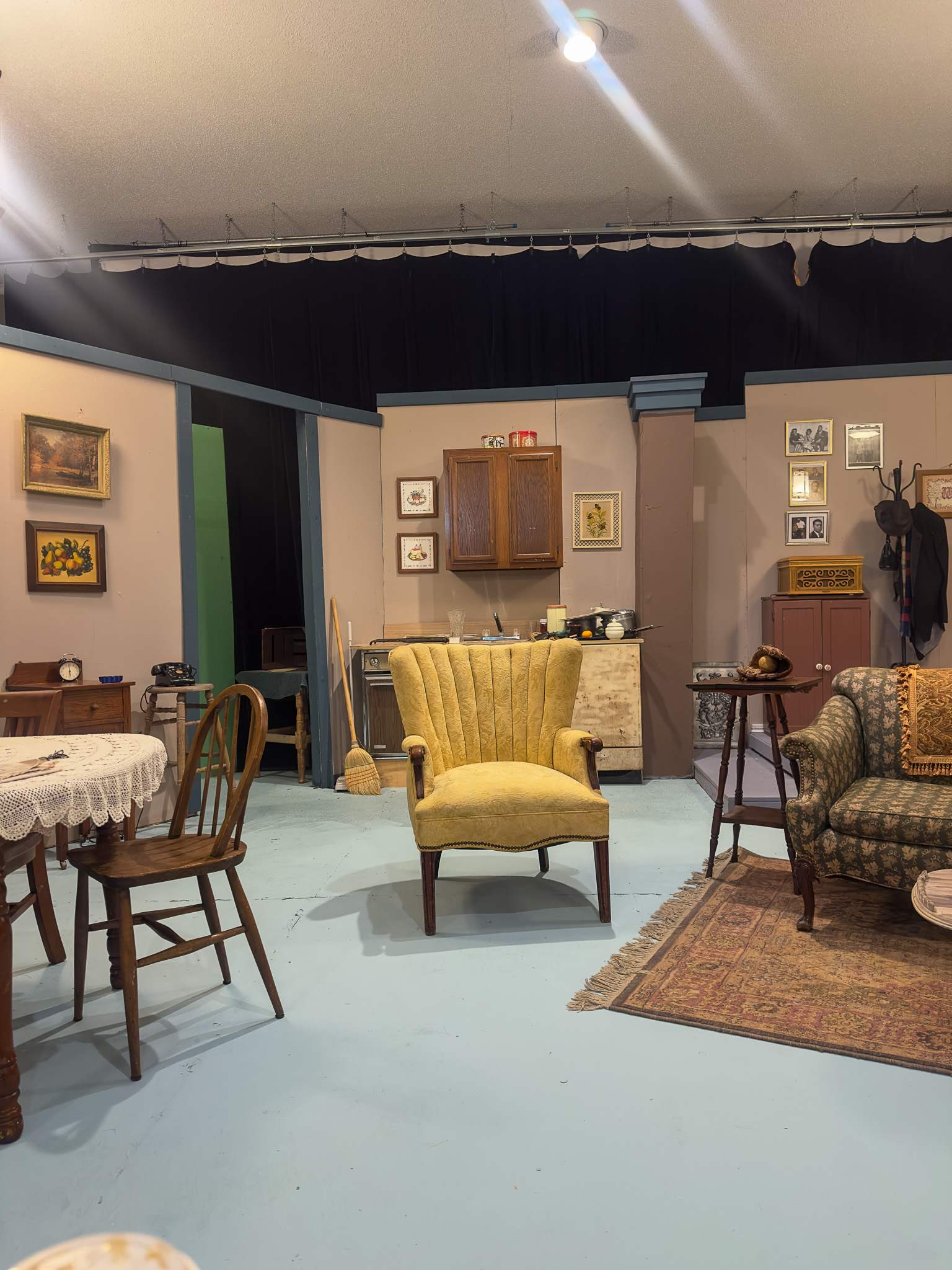
After watching the show, my husband finally understood why I came home so wiped out from rehearsals every night. He had no idea how much went into putting one on. He flipped through my scene change cards and my prop checklist and just went, “Wow, that’s a lot.”
And that’s the thing I keep coming back to. SO MUCH goes into producing a play. A play gets rehearsed for months at a time. But the audience never sees any of it, they just see two hours on a Friday night.
It’s the same on a shoot. A photo editor opening a final image doesn’t see the eleventh test shot. Doesn’t see the prop that wouldn’t sit right, the steam that wouldn’t cooperate, the moment everything almost fell apart just outside the frame.
They just see the thing that worked.
When Creativity Takes a Back Seat
Here’s the twist, though. On a shoot, I’m the one who decides what “worked” even means. Backstage, I’m the one making sure everything happens on schedule, but I don’t get a say in what any of it looks like.
And that’s been the most surprisingly frustrating part of being a stage manager: I don’t have the final say in creative decisions. That’s a hard pill for a photographer to swallow.
I’m not the director.
Instead, my role is making things happen, not deciding what they look like.
One day, in particular, stands out.
That morning, I had a huge photoshoot where every creative decision was mine. I decided where the product sat, how the light hit it, and where every prop was placed.
Later that evening, I went straight from that shoot to rehearsal, where I had to take off the creative hat completely and put the logistics hat back on. It was such a surreal whiplash. Hours earlier, I was the one deciding what mattered in the frame. Now I’m the one making sure everyone else’s vision happens on schedule, and I don’t get a vote.
So I have to swallow it. Keep it internal. My role is logistics. Hers is vision. That line is not allowed to blur, even when every photographer bone in my body is twitching to jump in.
Why I Came Back to This At All
Here’s the honest part. For years, I worked office admin jobs that left zero room for creativity, and my mental health paid for it.
That lack of creativity affected my happiness too.
Only when photography came along did I fully realize how much I’d been missing.
And even then, I never thought I could have both worlds. I thought it was photography or theater. Pick one. I didn’t know I was allowed to want both until I was standing backstage again fifteen years later, realizing I never actually stopped wanting this.
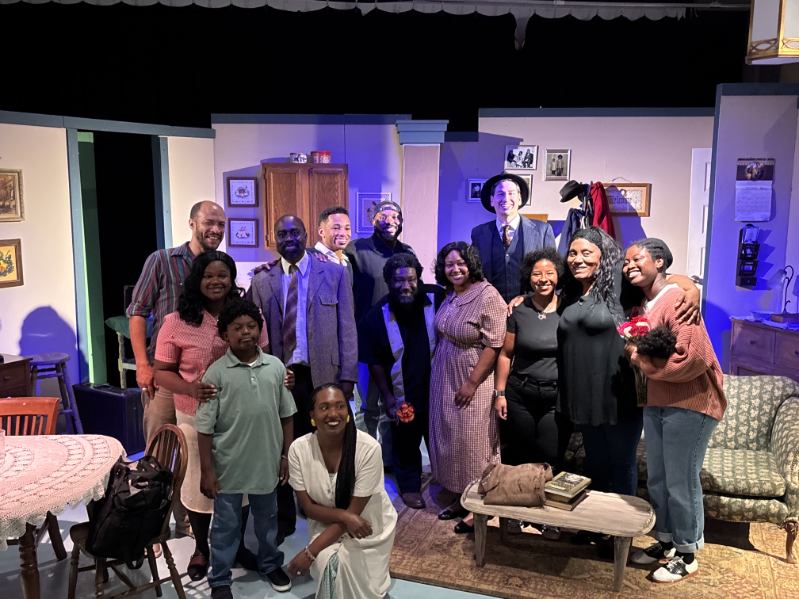
I’m so proud of this show. Proud of the cast, proud of what we pulled off, proud of myself for jumping back in headfirst after fifteen years away.
If there’s something in your world you’ve been thinking about going back to, do it. You’ll be surprised by how much the growth you’ve made somewhere else shows up in how you approach what you do every day.
Got a creative world you walked away from that’s still tugging at you? Email me, I want to hear about it.
Continue Reading
back to blog home

