
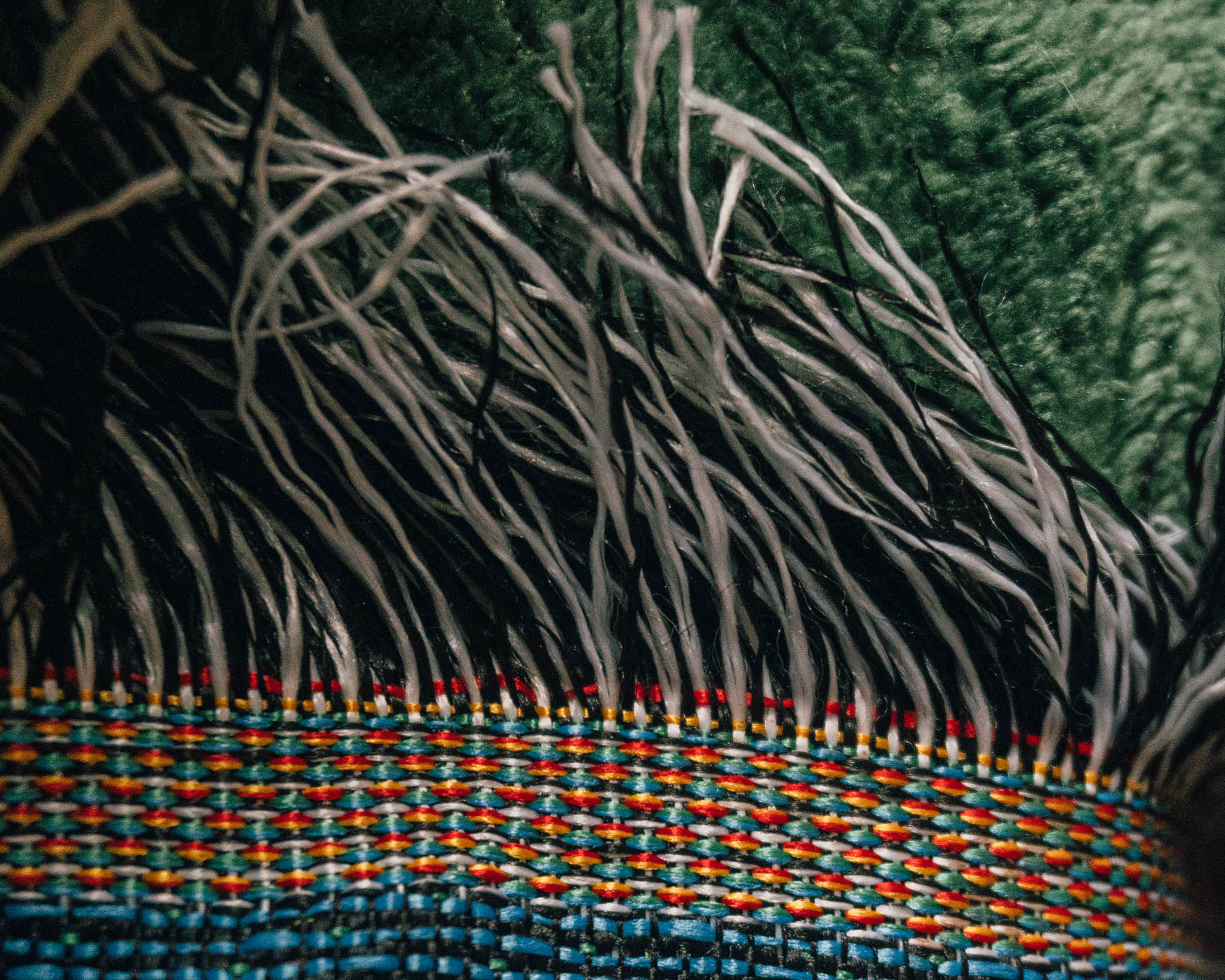
Why Texture Is What Makes Food Photos Come Alive
Lately, I’ve been obsessed with texture—not just noticing it, but chasing it. I spent an embarrassing amount of time watching the light kiss the surface of a simple blanket, and it reminded me why texture matters so much in food photography. Texture is not a throwaway detail; it’s what breathes life into a frame and turns a flat image into something that feels alive, tactile, and real.
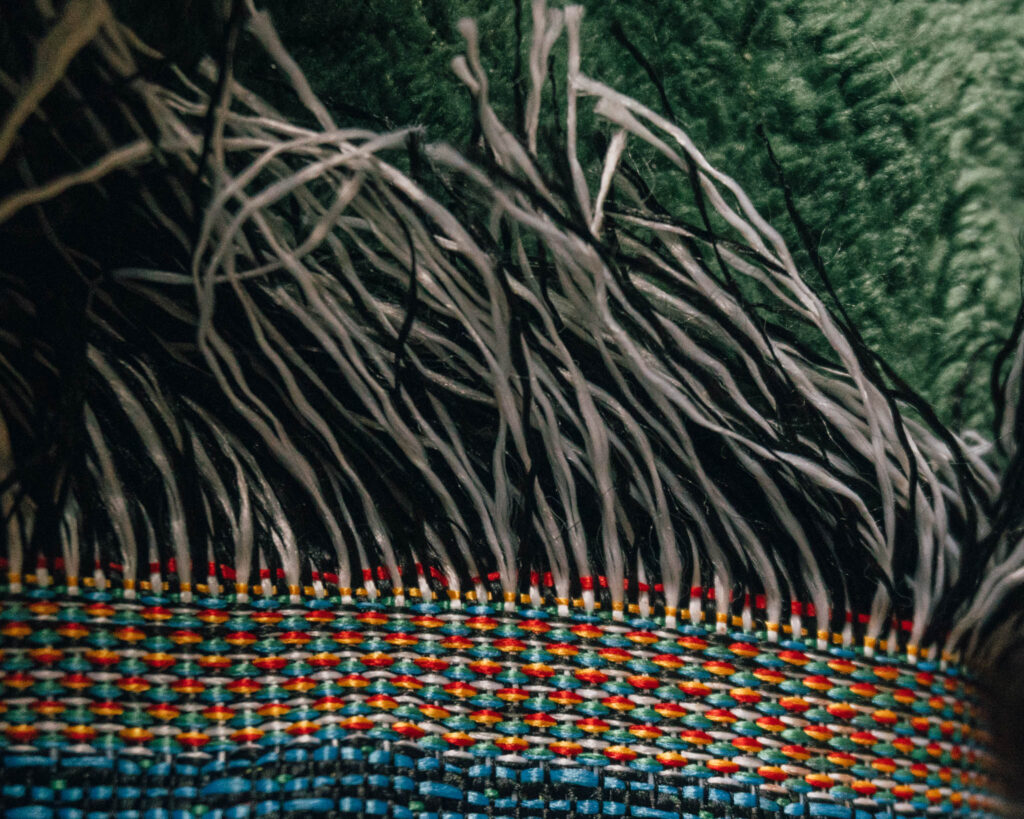
In food photography, texture is what makes food photos come alive—it’s what breathes life into a frame. It turns “pretty picture” into “I can almost taste that.” That pull—that urge to touch, taste, or inhale—is what keeps me hooked on this craft.
Texture gives light something to hold
Every strong image lives in that tiny space where light collides with shadow. Texture—whether it’s a flaky pastry, a melting ice cube, or a piece of beat-up wood—gives light something to grip. Without it, light just slides off the surface and the photo falls flat.
On set, texture feels like a dance partner. I move a light, the shadows shift. I lean in, they lean back. That quiet back-and-forth is what gives an image movement you can actually feel.
Texture keeps images grounded in reality
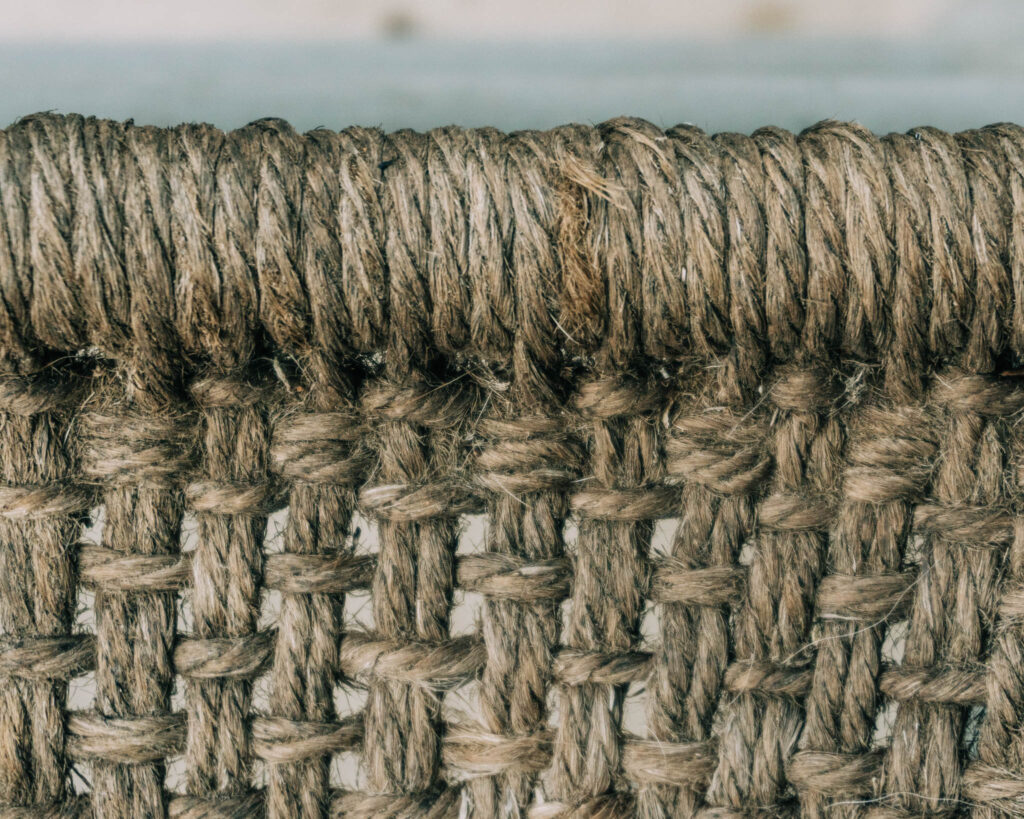
Even when a scene is highly styled or a little surreal, texture keeps it anchored. It whispers, “You’ve held this. You’ve tasted this.” The bend of a linen napkin, the crust on a steak, the condensation creeping down a glass—these tiny elements tap into memory and pull viewers into the shot without asking permission.
Sometimes I’ll spend a ridiculous amount of time fixing one wrinkle in a napkin, because that single fold can be the difference between “nice shot” and “I’ve been at that table.”
Texture as emotional storytelling
Texture also carries mood. Glossy caramel feels indulgent and over-the-top. Matte ceramics feel quiet and comforting. A sprinkle of flaky salt on dark stone adds drama and tension.
In the best food photos, texture is the emotion. It hits you before your brain has even processed what you’re looking at. That’s the feeling I’m chasing lately—the goosebumps hiding in the details, the subtle “oh damn” that makes someone lean closer without knowing why.
When you prioritize texture, your food photos come alive in a way flat, overly polished images never can.
Seeing the world through texture
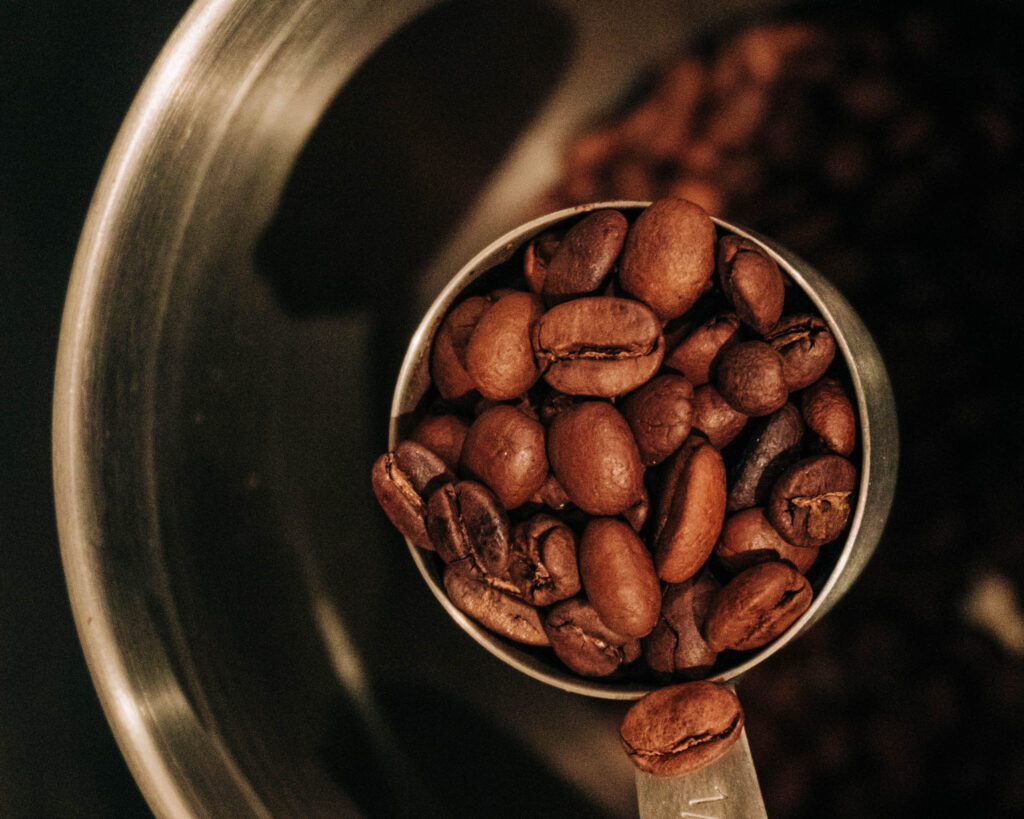
Last month, I walked through my house and photographed everyday textures: the threads on my throw blanket, the woven fibers on a basket, the peeling bark of the tree in our yard, and the grooves on a scoop of coffee beans. I watched how light wrapped around each surface, how it skimmed, clung, or skipped away. Those tiny studies have become mini masterclasses I carry into every shoot.
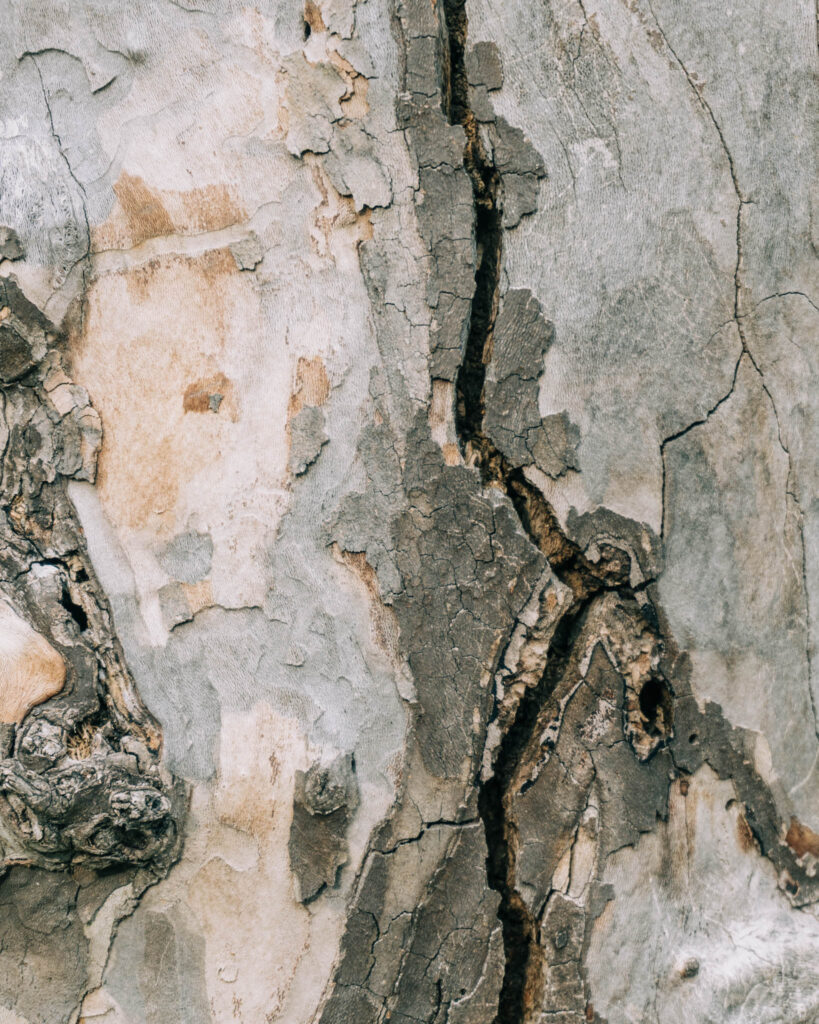
On my last test shoot, I stopped asking, “What does this look like?” and started asking, “What does this feel like?” Sticky, brittle, soft, porous—that one shift changed my light, my angle, and even how I composed the frame. When you can make someone feel the crispness, the melt, the heat, you’re not just taking a photo anymore. You’re building a sensory experience.
What Bob Ross taught me about texture
As a kid, I used to sit cross-legged on the carpet, glued to PBS, watching Bob Ross bring “happy little trees” to life. I didn’t have the language for it back then, but something in me understood: detail matters. Texture matters. The magic hides in the tiny strokes most people ignore.
With a single tap of his brush, he could turn a blank patch of canvas into bark you could almost feel or water that seemed to move. He used texture with intention. Now, I’m doing the same thing with a camera—chasing that moment when something flat suddenly feels alive.
Making people feel the image
Texture is where art crashes into appetite. It’s the point where technical precision starts the conversation and emotion finishes it. That’s why texture has become my obsession. Whether it’s an orange peel or molten chocolate sliding into frame, the texture reminds me to chase sensation—the spark, the goosebumps, the quiet little “wow.”
Because that’s what texture does: it turns a still photo into an emotional hit you can’t ignore.
If your brand wants food photos that come alive through texture and light, let’s make something together.. I’m opening my books for 2026 collaborations, especially for food and beverage campaigns that live for texture, tiny details, and storytelling shaped by light. Reach out here and let’s cook up something unforgettable together.
Continue Reading
back to blog home


