
Shadows Taught Me How to See
I’m not ashamed of my love for shadows in photography. To me, they’re poetry. They’re the pause between words, the breath before the answer, the part of a story you lean in to hear. I’m a firm believer that shadows can tell part of a story as much as light can.
Light shows you what’s there. Shadow shows you what’s hidden, what’s coming, and what’s felt. A half-lit face or a hand reaching out of the dark gives your imagination room to fill in the rest, and that’s where the story lives.
Where My Love of Shadows Began
It started in late 2011. I had just gone for a run, and I was standing next to a brick wall when I saw my shadow. I was in awe of how strong it looked. Outside, I felt like I looked like a weak runner. But inside, I felt like a tough and strong woman. My shadow showed me the version I felt on the inside. I snapped a photo with my phone. I still have it.
How Art Changed My Photography
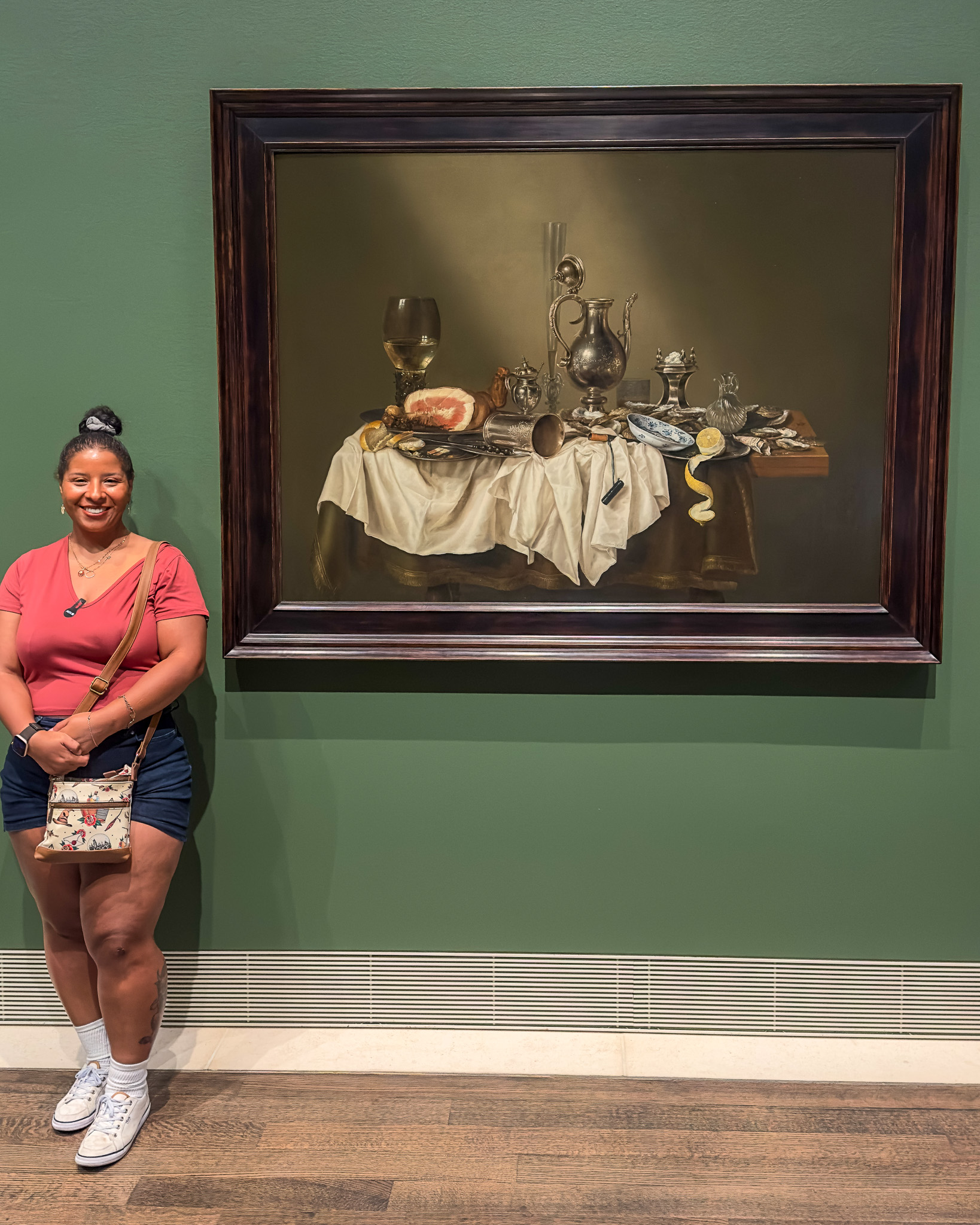
All photographers in my style start out the same. I played with natural light. Back then, I stuck to the rule of thirds and kept my shadows soft. Then I visited the Philadelphia Museum of Art, and all of that changed. For the first time in my life, I stood in front of Dutch Golden Age paintings, and they took my breath away. The colors. The expressions. The drama. And the knowledge that these paintings survived hundreds of years after they were made.
I wanted to create art like that. Pretty photos weren’t enough for me. I wanted to create art. The kind you hang on your wall at home, and the kind you hang up on a billboard.
Look at what those painters did. Rembrandt put light on a face and let the rest of the room fall away. Georges de La Tour lit a whole scene with one candle. Zurbarán painted lemons on a dark table with so much quiet that you want to whisper in front of it.
In my work, shadows in photography matter as much as the light I choose to use. A shadow can hide a detail, hold a mood, or give a glass its weight. When I leave part of a frame dark, I’m trusting you to feel the story I’m not spelling out.
A glass, a bottle, a plate. Whatever I’m shooting, I ask the same question: what should stay in the dark?
What Shadows in Photography Taught Me
Shadows also taught me something I didn’t expect. They taught me it’s okay to sit in the unknown and feel safe there. Feel beautiful there.
I embrace these lessons in my test shoots. Mistakes are part of the process. I place different black boards and create different shapes. Some shapes work. Others flop. I keep playing.
So yes, shadows taught me how to see. They still do.
What taught you to see the way you do? Tell me in the comments. I really want to know.
Continue Reading
back to blog home

