
Outgrowing the Need to Impress in Food Photography
The 9-Second Truth
I used to shoot like someone important was watching me.
It wasn’t a client. It wasn’t even a real creative director. Just this imaginary presence behind my shoulder with crossed arms and a raised eyebrow, silently asking, “Is that it?” And instead of trusting what I saw, I would start adjusting everything. The fork moved. The napkin got smoothed. The glass was swapped. A prop was added. Then removed. Then quietly added back, like we both knew I panicked.
Not because the image needed it.
Because I needed it to feel impressive.
And that kind of pressure? It will drain you faster than a 12-hour shoot in August heat.
When “Professional” Is Just Fear in Disguise
In food and beverage photography, the baseline expectation is already high. The dish must look crave-worthy. The drink has to glow. The styling has to feel intentional but effortless. Add Instagram into the mix, and suddenly you’re not just creating images, you’re managing perception. The grid matters. The saves matter. And the way it lines up next to the last post matters, too.
There’s this quiet whisper that says, “Make it prettier.”
For a long time, I listened to that voice. However, I started noticing the cost. I equated polish with professionalism and performance with confidence. But here’s the truth I didn’t want to admit: a lot of that polishing wasn’t about excellence. It was about fear. It was the fear of being average. Specifically, the fear of being average. Even worse, the fear of being judged, “Oh… that’s it?”
So I over-styled. Over-lit. Overthought.
And photography, sweet, honest photography, always knows when you’re faking it. Light does not lie.
The Austin Wake-Up Call
Living in Austin has a way of calling you out in the best possible way. This city can do polished and gritty in the same breath. You’ll find a sleek cocktail bar with marble countertops one block over from a taco truck under an oak tree serving breakfast tacos that will absolutely change your life.
One is curated. One is real.
And if you pay attention, you’ll notice that the one that sticks with you isn’t always the one trying the hardest.
That realization shifted something in me. Maybe outgrowing the need to impress wasn’t about lowering my standards. Maybe it was about telling the truth.
The Shoot That Made My Heart Race
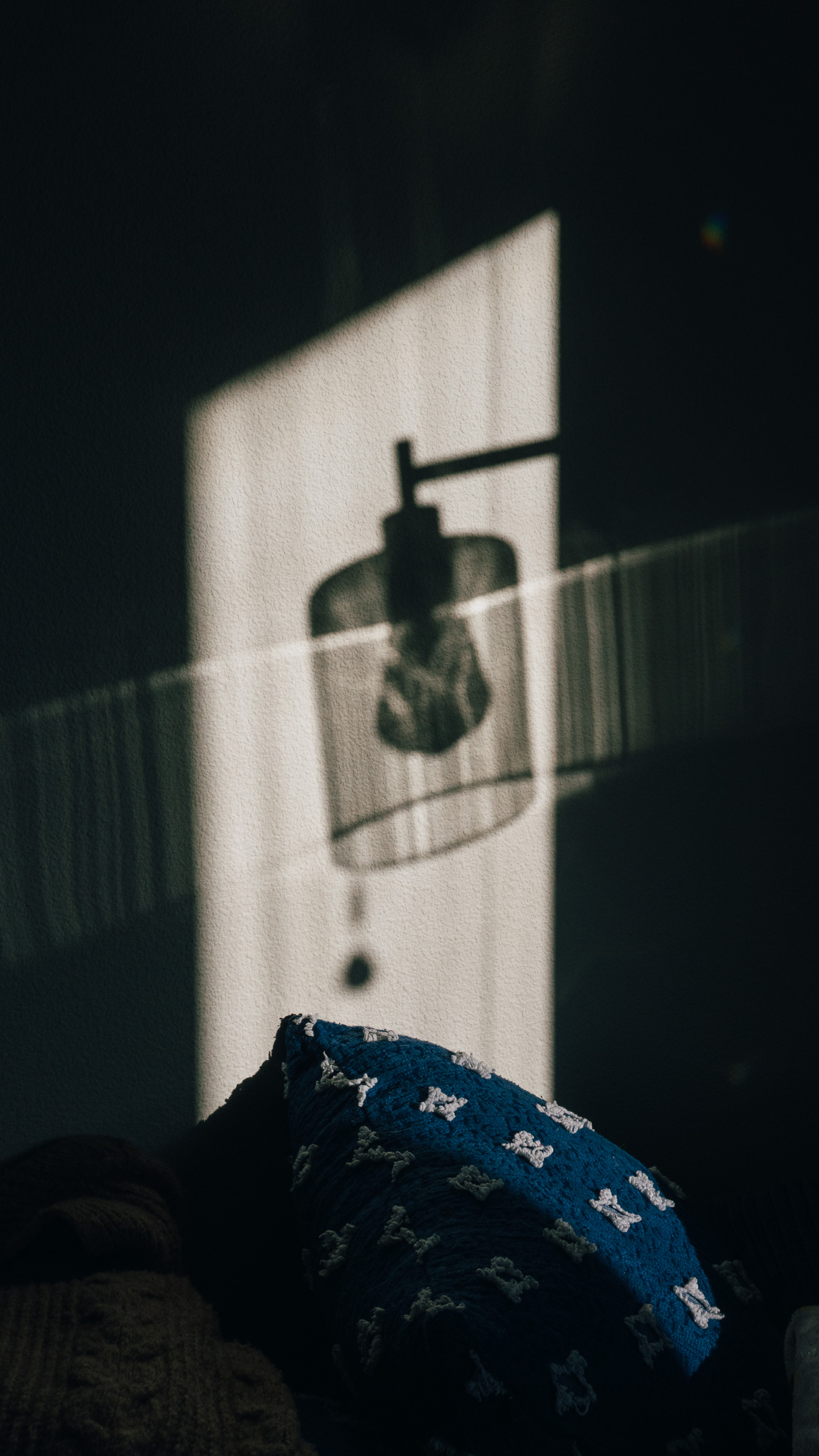
Last year, I bought a small Sony Z-EF10 camera. I chose to prioritize simple setups. A breakfast taco wrapped in foil paper. Coffee in a to-go cup with my name misspelled in writing. Shadows created by buildings and various shapes. In other words, I chose to prioritize catching moments rather than creating moments. This angle has forced me to a) think on my feet b) Simplify things. c) really pay attention to light and other nitty-gritty details. d) accept that not all photos will be perfectly polished.
See, old me would soften light. Refine it into something more “elevated”. Control the light. Overthink it.
New me is taking a risk and pressing the shutter button despite my fears that my shot will look too simple, not be impressive enough, or as if I didn’t do enough.
I’ve realized how deeply the need to impress has rooted itself into my creative process.
I want to change that!
I want to focus on creating images that are in the moment, unplanned and real.
From Performance to Practice
Outgrowing the need to impress didn’t happen overnight. It was a series of small decisions. Choosing experimentation over applause. Trying compositions that felt slightly uncomfortable. Risking images that might not “perform.”
Because here’s what I’ve learned: when you stop being afraid of looking bad, you start becoming interesting. Creativity expands when fear backs down.
Growth in photography doesn’t come from likes. It comes from practice. From showing up again and again, even when the metrics are quiet. From staying long enough to develop taste, resilience, and a voice that feels undeniably yours.
For years, I chased trends. Moody pours. Symmetrical brunch spreads. Perfect overhead shots. They were technically strong. They were highly impressive but not always rooted in my lived experience.
My work started to feel grounded when I paid attention to what I naturally notice: condensation sliding down a glass in Texas heat. A chef laughing mid-prep. The imperfect smear of sauce that proves someone actually ate the food.
That’s where my photography feels honest. Not curated, honest.
And honest lasts longer than impressive ever will.
Redefining Excellence
Outgrowing the need to impress doesn’t mean lowering standards. It means redefining them. Excellence stops being about spectacle and starts being about clarity and intention.
In Austin, you can photograph a craft cocktail with dramatic shadows and flawless styling, or you can photograph it sweating on a patio table at golden hour while the city hums around it. Both are valid. But only one might reflect who you are.
For me, excellence now means creating imagery that tastes like the place it was made. It means honoring the story of the chef, the brand, and the space. It means listening more than performing.
When I stopped trying to impress, my shoots felt lighter. Conversations replaced pressure. Curiosity replaced control. The camera stopped feeling like a stage and started feeling like a partner.
That’s freedom.
What Success Looks Like Now
Success, to me, is no longer about being the loudest photographer in the room. It’s about creating work that feels aligned, work that reflects growth, consistency, and intention rather than just highlight moments. It’s about building long-term partnerships with brands and chefs who care about thoughtful storytelling, not just surface-level polish.
Outgrowing the need to impress, I shifted from chasing applause to refining my craft. I moved from performance to clarity, understanding what I stand for visually and professionally.
In an industry shaped by trends and fast-moving metrics, clarity and consistency carry weight. They build trust. And trust is what sustains creative careers.
If you’re a chef, restaurant, or brand looking for food and beverage photography rooted in real texture, intentional light, and meaningful storytelling, imagery that reflects who you are rather than what simply performs, I would love to collaborate.
Contact me, and let’s create work that feels authentic to your brand and built to last beyond the scroll.
Continue Reading
back to blog home


